
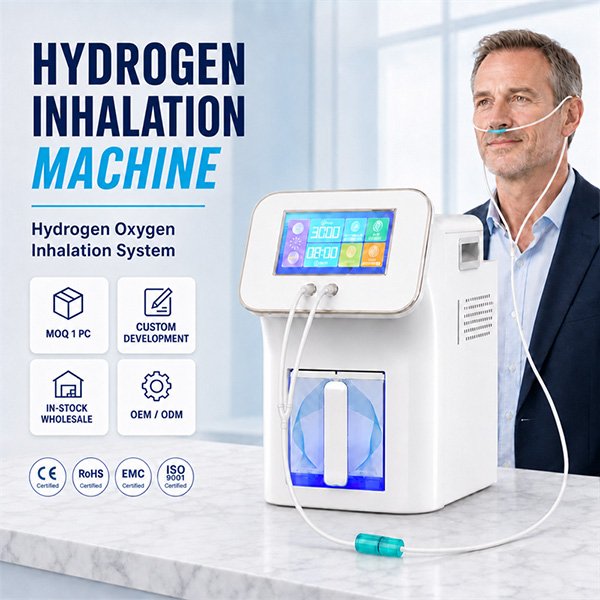
How Often Should You Do Hydrogen Inhalation Therapy? A Practical Dosage & Frequency Guide
Molecular hydrogen (H2) inhalation therapy has gained worldwide attention among wellness enthusiasts, biohackers, and medical researchers as a natural, non-invasive method for cellular rejuvenation and antioxidant defense.
Unlike traditional antioxidants, molecular hydrogen is the smallest molecule in the universe. This allows it to rapidly diffuse through cell membranes, cross the blood-brain barrier, and selectively neutralize cytotoxic free radicals without disrupting normal cellular metabolism.
However, one of the most common questions from first-time users and seasoned practitioners alike is: How often should you actually do hydrogen inhalation therapy?
In this comprehensive guide, we break down optimal daily frequencies, session lengths, expert protocols, and safety standards so you can maximize your results.This is a high-quality hydrogen inhalation machine.
Quick Answer: General Inhalation Protocols
If you are looking for a quick reference, here are the standard recommendations based on current clinical studies and health practice:
- Daily Wellness & Maintenance: 30 to 60 minutes per day, 4 to 7 days per week.
- Athletic Recovery & High Physical Demands: 60 minutes per session, immediately post-workout or split into morning and evening sessions.
- Chronic Fatigue, Inflammation & Targeted Care: 60 to 120 minutes per day, often divided into two 45–60 minute sessions (e.g., morning and evening).
- Sleep Optimization: 30 to 45 minutes in the evening, roughly 30–60 minutes before bedtime.
Key Factors That Determine Your Inhalation Frequency
There is no one-size-fits-all schedule for hydrogen inhalation. Your optimal routine depends on three critical parameters:
1. Gas Flow Rate (ml/min) and Concentration
The output capacity of your hydrogen inhalation machine is the most vital factor:
- Compact / Portable Units (150 – 300 ml/min): Because the gas output is gentler, users typically benefit from longer daily sessions (60 to 90 minutes) to achieve optimal blood saturation.
- High-Flow Units (600 – 1200+ ml/min): Higher flow rates deliver therapeutic concentrations much faster. With a 600–1200 ml/min device, a 30 to 45-minute session often achieves equivalent cellular saturation.
2. Your Personal Health Goal
- General Energy & Longevity: Short, consistent daily sessions (30–45 mins) maintain balanced oxidative stress levels.
- Deep Relaxation & Stress Relief: Inhaling hydrogen lowers sympathetic nervous system activity and promotes parasympathetic balance, making once-daily evening use ideal.
- Recovery from Heavy Physical Stress: Frequent exposure helps clear excess reactive oxygen species (ROS) and reduce muscle soreness.
3. Consistency vs. Duration
There is no one-size-fits-all schedule for hydrogen inhalation. Your optimal routine depends on three critical parameters:
- Gas Flow Rate (ml/min) and Concentration
The output capacity of your hydrogen inhalation machine is the most vital factor:
-Compact / Portable Units (150 – 300 ml/min): Because the gas output is gentler, users typically benefit from longer daily sessions (60 to 90 minutes) to achieve optimal blood saturation.
-Higher flow rates deliver therapeutic concentrations much faster. With a 600–1200 ml/min device, a 30 to 45-minute session often achieves equivalent cellular saturation. - Your Personal Health Goal
-General Energy & Longevity: Short, consistent daily sessions (30–45 mins) maintain balanced oxidative stress levels.
-Deep Relaxation & Stress Relief: Inhaling hydrogen lowers sympathetic nervous system activity and promotes parasympathetic balance, making once-daily evening use ideal.
-Recovery from Heavy Physical Stress: Frequent exposure helps clear excess reactive oxygen species (ROS) and reduce muscle soreness. - Consistency vs. Duration
Clinical observations indicate that daily consistency is far more effective than sporadic marathon sessions. Inhaling hydrogen for 30 minutes every single day produces significantly better biological balance than doing a 4-hour session once a week.
Best Practices: How to Structure Your Daily Sessions
To get the most out of every session, follow these straightforward guidelines:
- Start Low and Gradually Increase: If you are new to molecular hydrogen, begin with 15 to 30 minutes per day for the first 3 to 5 days. Once your body adapts, gradually extend to 60 minutes.
- Combine with Quiet Activities: Hydrogen inhalation is completely non-intrusive. You can use your nasal cannula while reading, working on a laptop, watching TV, or resting in bed.
- Stay Hydrated: Drink a glass of purified water or hydrogen-rich water before and after your inhalation session to support internal fluid circulation.
- Use Certified, High-Purity Equipment: Always ensure your device utilizes PEM (Proton Exchange Membrane) / SPE (Solid Polymer Electrolyte) electrolysis technology with a DuPont membrane. This guarantees 99.99% pure molecular hydrogen with zero harmful byproduct gases like chlorine or ozone.
Can You Do Hydrogen Inhalation Too Often? (Safety Overview)
One of the greatest advantages of molecular hydrogen is its exceptional safety profile:
No Known Toxicity: Hydrogen gas is physiologically inert and produced naturally in small amounts by human gut flora. Excess hydrogen not absorbed by the cells is simply exhaled through the breath.
Non-Targeted Scavenger: Unlike excessive intake of synthetic antioxidant supplements (like high-dose Vitamin E or C), hydrogen does not disturb beneficial signaling molecules like nitric oxide (NO)hydrogen peroxide (H2O2).
Safe for Long Sessions: In scientific studies, patients have undergone inhalation for multiple consecutive hours without adverse effects. However, for everyday wellness, session durations beyond 120 minutes rarely provide proportional additional benefit.
Frequently Asked Questions (FAQ)
Can I do hydrogen inhalation every single day?
Yes. Daily use is standard and widely recommended. Consistent daily exposure ensures that intracellular oxidative stress remains low, supporting steady metabolic and immune health.
What is the best time of day to inhale hydrogen?
It depends on your intention. Inhaling in the morning can boost mental clarity and daytime vigor. Inhaling 30 to 60 minutes before sleep helps ease nervous tension and supports restorative deep sleep.
Can I inhale hydrogen while sleeping?
Many users enjoy continuous low-to-medium flow inhalation overnight using an automatic shut-off timer. Ensure your equipment is engineered for whisper-quiet operation and continuous output safety.
How quickly will I notice results?
Some benefits, such as calmer breathing, reduced mental fog, and improved sleep onset, can be felt within 1 to 3 sessions. Deeper benefits related to systemic inflammation and sustained vitality typically become noticeable after 3 to 4 weeks of regular daily use.
Final Thoughts: Finding Your Ideal Routine
The golden rule of hydrogen inhalation is simple: listen to your body and prioritize daily consistency.
For most adults, starting with 30 to 60 minutes a day at a flow rate between 300 ml/min and 600 ml/min delivers an ideal balance of convenience, cellular rejuvenation, and lasting wellness.